
December De-Stress: Managing Finals and the Holiday Rush
At LearnWell, we focus on whole-student wellness. Below are some strategies to help students manage stress during finals while maintaining balance throughout the holidays.
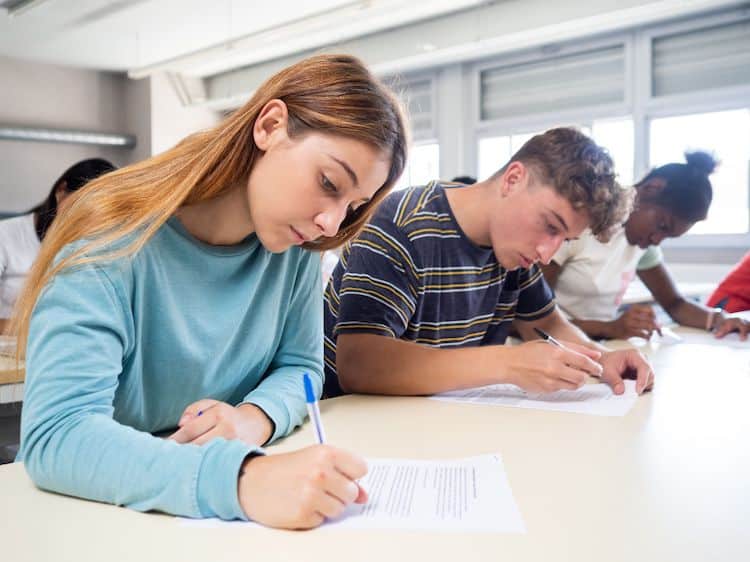
Understanding December Stress
Academic stress activates the body’s stress response, increasing cortisol levels and impacting sleep, focus, and emotional regulation. When combined with social obligations and disrupted routines, students may experience:
- Heightened anxiety or depressive symptoms
- Difficulty concentrating or retaining information
- Sleep disturbances
- Irritability or emotional overwhelm
Proactive stress management and mental health support can significantly improve both academic performance and emotional well-being.
- Create a Structured Study Schedule to Reduce Anxiety
Consistent routines are a cornerstone of behavioral health. A structured study schedule helps reduce uncertainty, one of the biggest contributors to stress and anxiety.
Scheudling tips:
- Break study time into predictable, manageable blocks
- Prioritize tasks based on urgency and cognitive demand
- Include scheduled breaks to prevent burnout
- Avoid overloading a single day to reduce emotional fatigue
A realistic plan promotes a sense of control and psychological safety—key components of stress reduction.
- Use Evidence-Based Study Techniques to Prevent Burnout
Mental health–supportive study methods include:
- Active recall and practice testing to boost confidence and retention
- Spaced repetition to prevent last-minute cramming
- Teaching material aloud to strengthen cognitive processing
- Purposeful group study for social connection and accountability
These strategies help students work efficiently while protecting mental energy.
- Prioritize Self-Care as a Mental Health Intervention
Self-care is not optional—it’s a protective factor for emotional health. During finals, intentional self-care supports mood regulation, resilience, and focus.
Key self-care practices for students:
- Sleep hygiene: Maintain consistent sleep and wake times
- Nutrition: Balanced meals stabilize mood and energy levels
- Physical activity: Movement reduces anxiety and stress hormones
- Mindfulness techniques: Deep breathing, grounding exercises, or brief meditation
Even small daily habits can significantly reduce stress and improve emotional regulation.
- Set Healthy Boundaries to Support Emotional Well-Being
Emphasizing the importance of boundaries can help prevent emotional exhaustion. The holiday season often brings added expectations that can increase stress.
Healthy boundary-setting strategies include:
- Communicating academic needs clearly with family and friends
- Limiting overcommitment to social events during finals week
- Scheduling rest and recovery time intentionally
Boundaries protect mental health and help students maintain balance without guilt.
- Encourage Help-Seeking and Mental Health Support
Finals-related stress can sometimes trigger deeper mental health concerns. Seeking support early is a vital behavioral health skill.
Students should be encouraged to:
- Connect with academic advisors or instructors
- Utilize counseling and behavioral health services
- Reach out to trusted peers or mentors
Normalizing help-seeking reduces stigma and strengthens emotional resilience.
As December unfolds, supporting students through finals and the holiday season requires intention, balance, and compassion. By combining structured routines, evidence-based study strategies, self-care, healthy boundaries, and accessible mental health support, students can navigate this demanding time with greater resilience and confidence. At LearnWell, we believe that academic success and emotional well-being go hand in hand. When students are equipped with the tools to manage stress effectively, they’re not just surviving the season—they’re building lifelong skills for wellness, self-awareness, and sustainable success.
Latest News & Updates

Back to School: Essential Preparation Tips for a Smooth Transition
The back-to-school season is an exciting time filled with new opportunities—and...

Summer Survival- Essential Tips for Students During Break
Summer break is a highly anticipated time for students. For teachers and parents,...

Back-to-School Bootcamp- Preparing for a New Academic Year
The start of a new academic year is an opportunity for teachers to refresh,...